India’s Chemical Industry at a Turning Point
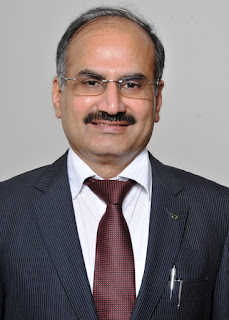
Mr. M. Ponnuswami
CMD, Pon Pure Chemicals India Pvt. Ltd.
India’s chemical industry is entering a pivotal phase of growth. Today, it stands as the sixth-largest producer globally,contributing significantly to national GDP and exports. With global supply chains undergoing transformation and the “China+1” strategy gaining momentum, India is uniquely positioned to capture new opportunities.Agrochemicals, specialty chemicals, and performance chemicals are areas of particular strength. For Indian MSMEs (Micro, Small, and Medium Enterprises), this shift represents a chance to scale, innovate, and expand globally.But to seize this opportunity, certain challenges must be overcome.
Challenges Faced by MSMEs
Despite their potential, MSMEs face barriers such as:
- High costs of global certifications (REACH, GHS, and others)
- Complex compliance and documentation requirements
- Limited access to finance and credit
- Lack of infrastructure, including testing labs and export facilitation centres
- Skill and knowledge gaps in advanced chemical R&D and digital adoption
These issues often restrict MSMEs from competing effectively in the international market.
Strengthening Competitiveness – Policy and Institutional Support
1. Mutual Recognition Agreements (MRAs)
The Bureau of Indian Standards (BIS) should sign MRAs with global certification bodies such as REACH in Europe and equivalent agencies in the US and other FTA partner countries. This will reduce duplicate compliance, cut costs, and provide Indian exporters—particularly MSMEs—smoother access to international markets.
2. Market Facilitation
There is a need for stronger coordination between the Ministry of Commerce, Ministry of MSME, and the Department of Chemicals & Fertilizers. Ensuring reliable MSME supply to PSUs can also enhance credibility and trust with overseas buyers.
3. Export Facilitation Centres
Dedicated centres in chemical clusters can help MSMEs with compliance, certification, and access to advanced testing facilities. These centres can also subsidize costs for adopting green and sustainable technologies.
4. Innovation and Patent Support Cells
Patent Support Cells, along with government-backed innovation clusters and design centres, can provide guidance for MSMEs to commercialize indigenous innovations, protect intellectual property, and scale high-impact products globally.
5. Integrated Chemical Parks
Building chemical parks with shared infrastructure—such as testing labs, effluent treatment systems, and compliance services—will lower costs, improve sustainability, and enhance efficiency for MSMEs.
Building India’s Global Chemical Brand
To establish India as a leading global supplier, MSMEs must align with international standards and consistently deliver on quality.
- Quality Control Orders (QCOs): Introduced by BIS, QCOs ensure quality, safety, and reliability. For MSMEs, QCOs also create opportunities by restricting substandard imports and enhancing the “Product India” brand.
- Green Chemistry and ESG Alignment: Adopting sustainable production methods is vital to meeting global buyers’ requirements.
- Skill Development and Awareness: Training and upskilling professionals in compliance, R&D, and digital operations is essential for long-term competitiveness.
Role of the Anusandhan National Research Foundation (ANRF)
The ANRF should prioritize import substitution R&D, particularly in high-value segments where India depends on imports. Funding and technical assistance for MSMEs will accelerate:
- Development of indigenous raw material substitutes
- Advanced specialty chemical research
- Sustainable, green process technologies
- Digital integration and automation
This support can transform MSMEs into key contributors to India’s chemical self-reliance.
The Road Ahead
India’s chemical industry is on track to become a global growth leader. For MSMEs, the path forward lies in:
- Adoption of international standards and certifications
- Access to financial and infrastructure support
- Stronger innovation, R&D, and patent protection
- Branding Indian chemicals as reliable, sustainable, and globally competitive
Collaboration between government, industry, and institutions will be the cornerstone of sustainable and inclusive growth. MSMEs, as the backbone of the industry, must be empowered to innovate, expand, and take Indian chemical exports to new heights.
Source & Disclaimer:
This article was originally published in Chemexcil News (June–July 2025 Issue) and is republished here with due acknowledgment. The views expressed are those of the author, Mr. M. Ponnuswami , CMD, Pon Pure Chemicals India Pvt. Ltd. Pon Pure acknowledges Chemexcil for the original publication.